
Sustainability
- Home
- Sustainability
Sustainability Supply Chain Intelligencee
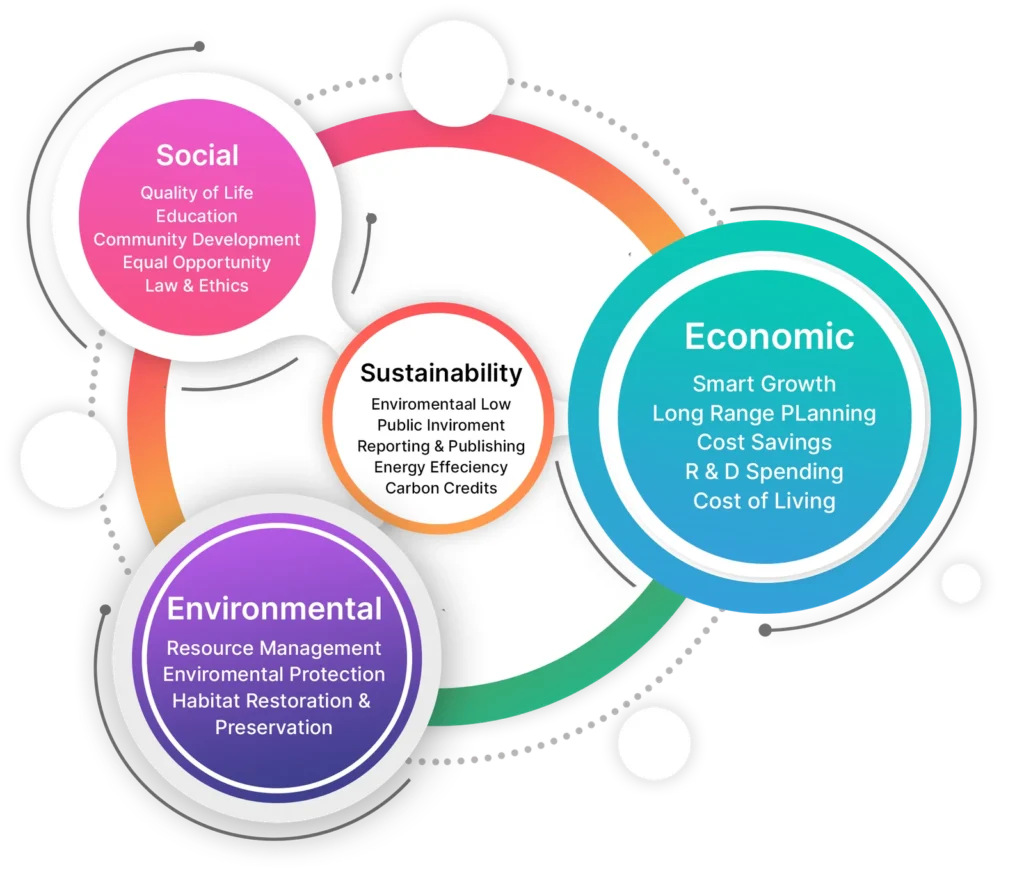
SCI is one that fully integrates ethical and environmental responsible practice into a competitiveand successful model.
Building successful sustainability program across global value chain is challenging.
To being… MTS support’s system
- Provide expert legal analysis
- Compliance
- Tracking supplier
- Performance
- New regulations along with consumers & stakeholder pressure
- Social & Ethical risk
- CSR assessments
Genric Supply Chain
We offer our customers a comprehensive solution to their global supply chain management needs, functioning as an extension of their businesses. By taking responsibility for all critical aspects of the supply chain, we enable our customers, who are leading retailers for brands, to concentrate on their customers.
Our organization comprises specialized teams of product experts who are dedicated to each customer segment. They skillfully manage the entire supply chain, from design and development through to raw material and factory sourcing, production planning and management, quality assurance, and export documentation to shipping consolidation.
Sustainability
The integration of ecologically and socially responsible practices across the supply chain process is referred to as supply chain sustainability. It entails taking into account the environmental and social implications of the products or services being sourced, manufactured, and supplied. Here are some critical elements of a sustainable supply chain:
Supplier Selection
Choose suppliers who use eco-friendly materials, reduce waste, and follow fair labor standards based on the requirements.

Eco-Friendly Materials
To lower the overall environmental footprint, choose renewable, recyclable, or low-impact components throughout the manufacturing process.
Continuous Improvement
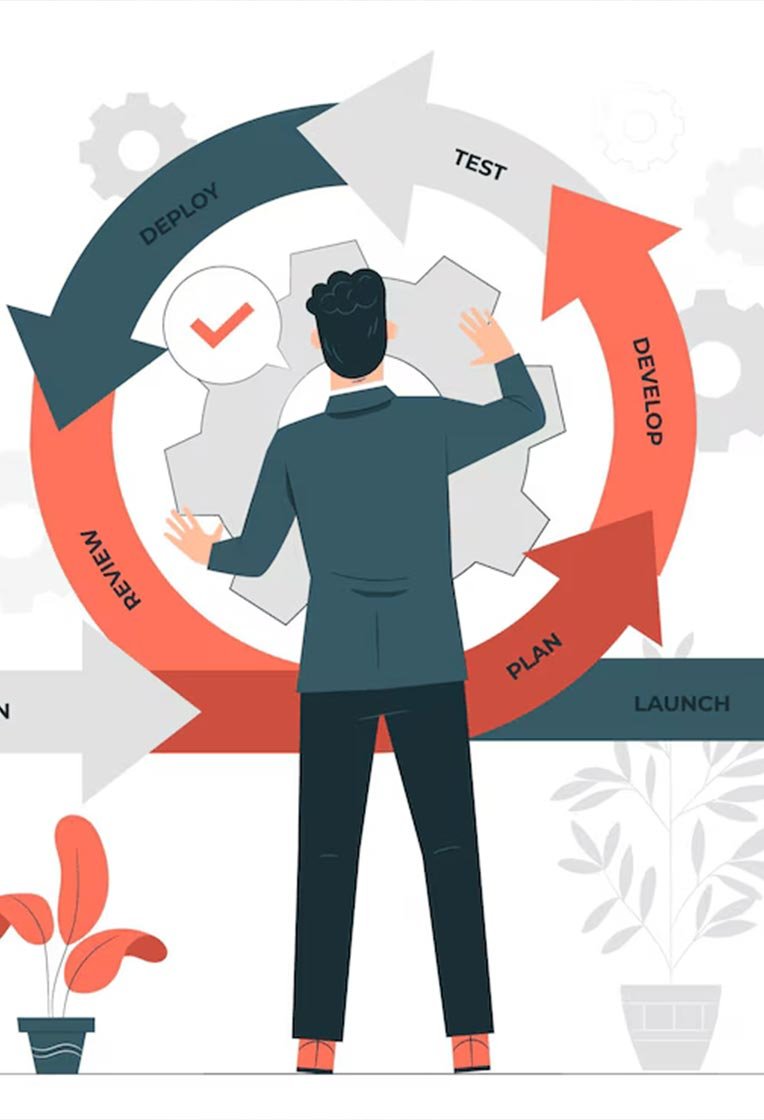
To accomplish long-term sustainability goals, analyze and enhance sustainability practices across the supply chain on a regular basis.

Waste Reduction
Focus on waste reduction and recycling initiatives to minimize the amount of waste generated in the supply chain.

Transportation Optimization
Optimize transportation routes and modes by reducing carbon emissions and transportation-related environmental consequences.

Transparency and Traceability
Ensure supply chain transparency by tracing the origin and lifetime of items, allowing customers to make better choices.

Ethical Labor Practices
Ensure that workers at all levels of the supply chain receive fair wages and safe working conditions, and ethical labor practices are followed.

Community Engagement
Engage with local communities and stakeholders to understand and address the social and environmental concerns in the areas where the supply chain operates
Lifecycle Assessment
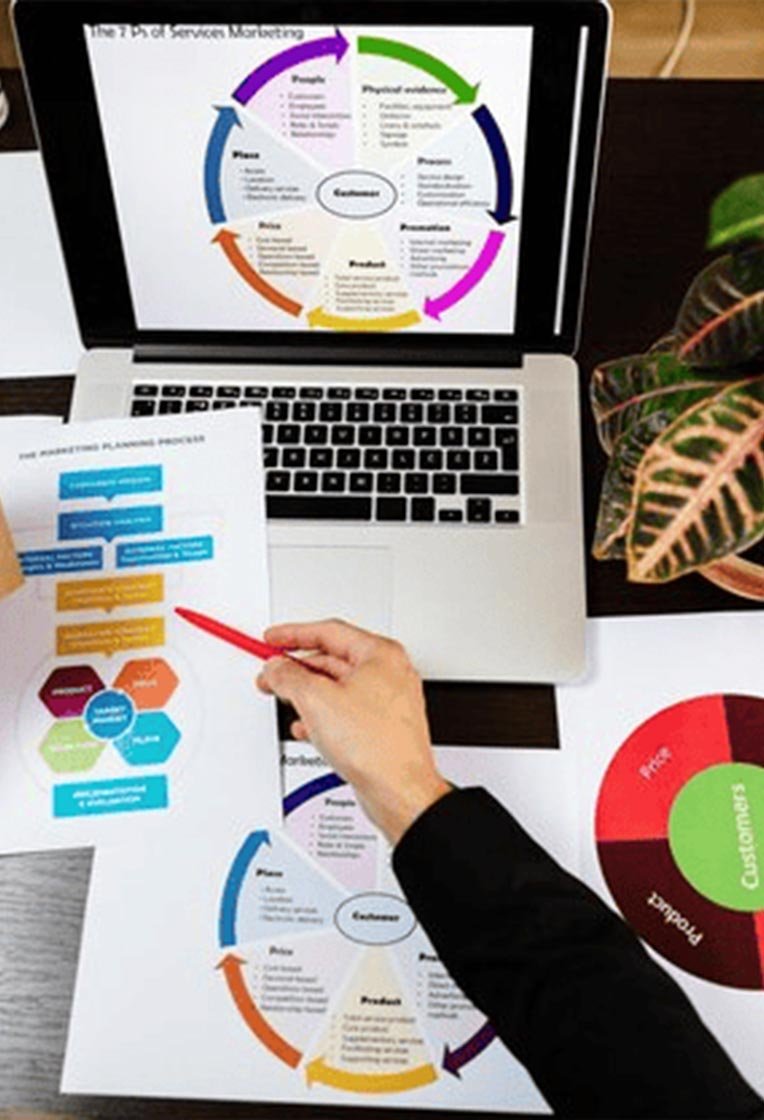
Conduct a product lifecycle assessment to understand the environmental implications of the product from raw material extraction to end-of-life disposal or recycling.

The Power of an INTEGRATED Supply Chain
Competitive Advantage: A well-coordinated supply chain provides a significant competitive advance through cost leadership, product differentiation, and enhanced responsiveness to market demands.
Operational Efficiency & Agility: Integration across all stages of the supply chain ensure operational efficiency & the agility to quickly respond to market change or disruptions.
Driven Decision Marking: Leveraging data analytics across the supply chain enable better forecasting, proactive management, and informed decision-making.
Customer-Centric Approach: Keeping the end user at the center of supply chain decisions ensure that the entire process is aligned with delivering superior value to customers.
The R3 of The Enviroment
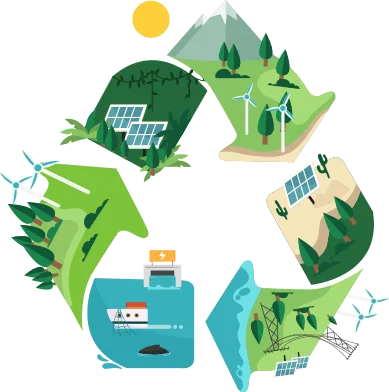
By recycling water, you can conserve resources, reduce pollution, and mitigate environmental impact Recycling waste helps conserve resources, reduce pollution, and mitigate environmental impact. By integrating sustainability principles into the supply chain, business can not only reduce their environmental & social impact but also enhance their reputation, attract conscious consumers and improve overall operational efficiency.

Reduce
Reducing the amount of waste you produce is the best way to help the environment.

REUSE
Instead of throwing things away, try to find ways to use them again.

RECYCLE
Recycling waste helps conserve resources, reduce pollution, and mitigate environmental impact.
By integrating sustainability principles into the supply chain, business can not only reduce their environmental & social impact but also enhance their reputation, attract conscious consumers and improve overall operational efficiency.